
Health & Wellness Guide
Warning Symptoms of Dangerous Blood Pressure
Most high blood pressure is silent, but a severe spike or a sharp drop can produce signs that call for immediate medical attention.
Medical organizations describe high blood pressure as largely symptomless, which is why the warning symptoms of dangerous blood pressure matter so much when they do appear. A reading that climbs far above normal can strain the brain, heart, eyes, and kidneys, and the body may signal the problem through severe headache, chest pain, shortness of breath, vision changes, or confusion. A sudden fall in pressure can be hazardous too, producing fainting, cold and clammy skin, or signs of shock. Knowing the difference between a number that needs a routine doctor visit and a set of symptoms that needs an emergency call can shape how quickly someone gets help. This article draws on guidance published by major health bodies such as the American Heart Association, the Centers for Disease Control and Prevention, and the Mayo Clinic, and it is general information rather than personal medical advice.
What Counts as Dangerous Blood Pressure Levels

Blood pressure is written as two numbers. The first, systolic pressure, measures the force against artery walls when the heart beats. The second, diastolic pressure, measures that force between beats. Under the 2017 guideline from the American College of Cardiology and the American Heart Association, a normal reading is below 120/80 mm Hg. Elevated blood pressure is a systolic number of 120 to 129 with a diastolic number below 80. Stage 1 hypertension is 130 to 139 systolic or 80 to 89 diastolic, and stage 2 hypertension begins at 140/90 or higher.
Fact box: AHA/ACC adult categories
Normal: below 120 systolic and below 80 diastolic.
Elevated: 120 to 129 systolic and below 80 diastolic.
Stage 1: 130 to 139 systolic or 80 to 89 diastolic.
Stage 2: 140 or higher systolic or 90 or higher diastolic.
Hypertensive crisis: higher than 180 systolic and/or higher than 120 diastolic.
The threshold most often described as dangerous is the hypertensive crisis. The American Heart Association defines it as a reading higher than 180 systolic and/or higher than 120 diastolic. Clinicians often divide such readings into two groups. In hypertensive urgency, pressure is severely elevated but there is no evidence of new or worsening organ damage. In a hypertensive emergency, severely elevated pressure comes with signs that organs are being harmed, and that is treated as a medical emergency.
Warning Symptoms of a Hypertensive Crisis
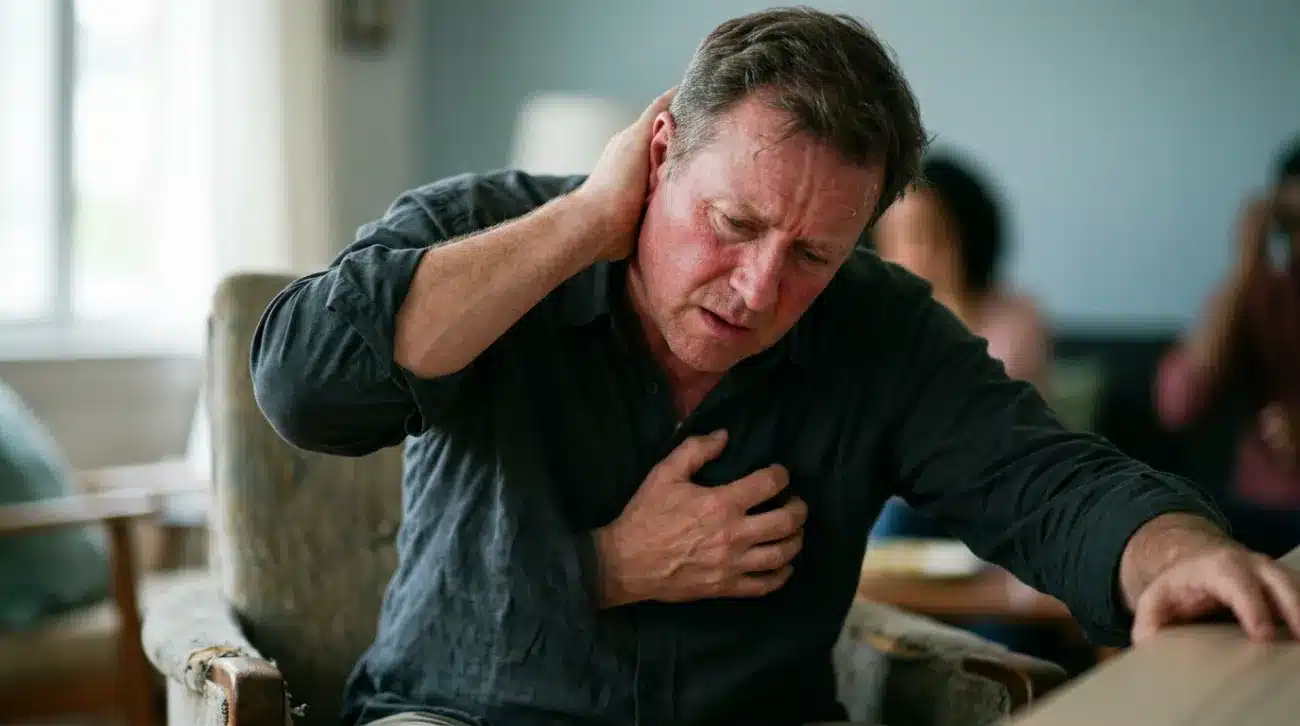
When extremely high pressure begins to injure organs, symptoms can appear quickly. The American Heart Association lists chest pain, shortness of breath, back pain, numbness or weakness, change in vision, and difficulty speaking among the signs that may point to organ damage during a crisis. Other sources, including the Mayo Clinic, also describe severe headache, severe anxiety, nosebleeds, nausea or vomiting, confusion, and seizures as possible features of a hypertensive emergency.
Each symptom reflects a different part of the body under strain. Chest pain and breathlessness may indicate stress on the heart or lungs. Vision changes can relate to damage in the small vessels of the eye. Numbness, weakness, or trouble speaking resemble the warning signs of stroke, which is one of the complications linked to uncontrolled hypertension. Confusion or seizures can occur when high pressure affects the brain. No single symptom proves that pressure is dangerously high, so the combination of a very high reading and these signs is what health agencies treat as urgent.
Why High Blood Pressure Symptoms Are Often Absent

The Centers for Disease Control and Prevention and the American Heart Association both stress that most people with high blood pressure have no symptoms, which is the reason the condition is frequently called a silent killer. Headaches and nosebleeds are sometimes assumed to signal high pressure, yet the American Heart Association notes that they usually occur only when a person is in a hypertensive crisis, and that they are not a reliable way to detect the condition. A person can have stage 1 or stage 2 hypertension for years without feeling unwell.
That silence has practical consequences. Sustained high pressure is associated with damage to the arteries, heart, kidneys, and brain over time, and it is a recognized risk factor for heart attack, stroke, heart failure, and kidney disease. Because feeling fine does not mean pressure is healthy, health agencies recommend regular measurement rather than waiting for symptoms. A blood pressure cuff, whether in a clinic, a pharmacy, or at home, is the only dependable way to know.
Psychology context
Anxiety can raise blood pressure temporarily, and severe anxiety is also listed among the possible symptoms of a hypertensive emergency. That overlap is one reason a single high reading taken during a stressful moment should be rechecked after resting rather than interpreted on its own.
What to Do When Blood Pressure Readings Are Severely High
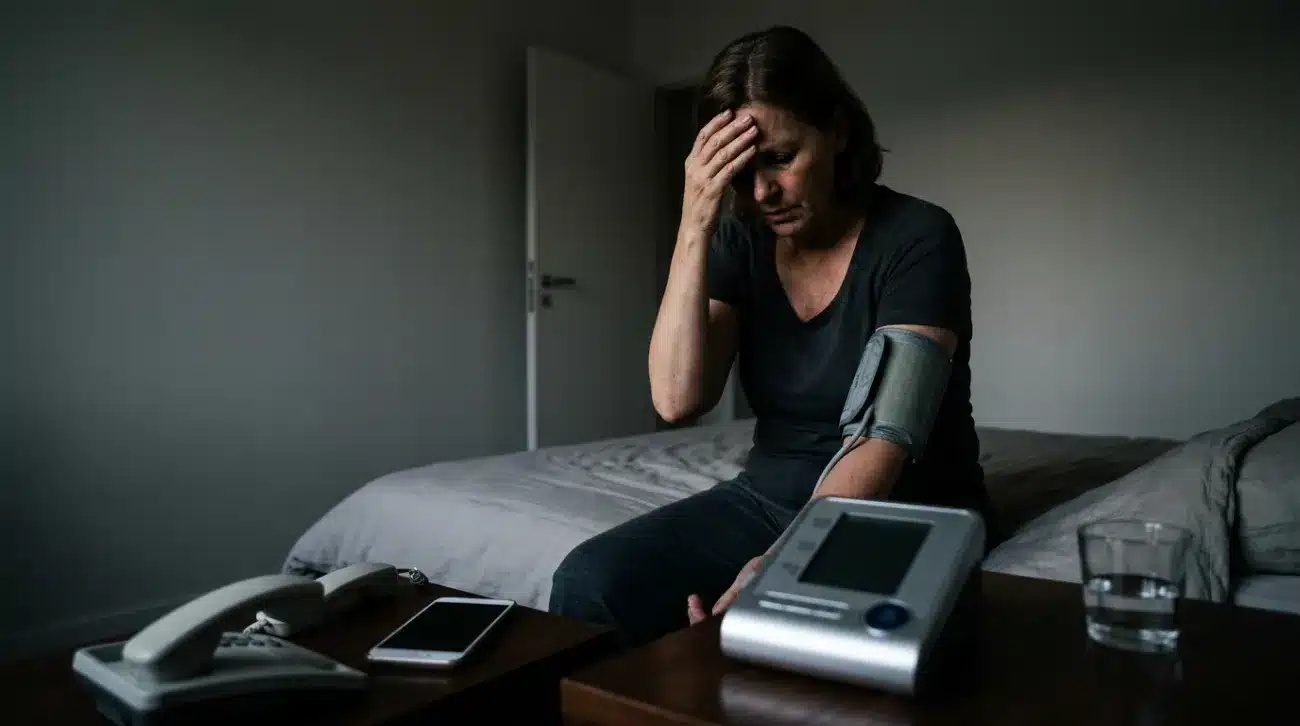
The American Heart Association advises that if a home reading is higher than 180/120, a person should wait about five minutes and test again. If the number remains that high and there are no symptoms, the guidance is to contact a health care professional. If the reading is that high and symptoms of possible organ damage are present, such as chest pain, shortness of breath, back pain, numbness or weakness, vision changes, or difficulty speaking, the advice is to call 911 rather than drive to the hospital alone.
Accurate measurement helps avoid both false alarms and missed warnings. General guidance from heart and medical organizations is to sit quietly with the back supported and feet flat for a few minutes beforehand, to keep the arm resting at about heart level, and to avoid caffeine, exercise, and smoking shortly before a reading. Using a cuff of the correct size also matters, since a cuff that is too small or too large can distort results. Clinicians generally rely on more than one reading, taken on more than one occasion, before diagnosing hypertension.


