
Low Blood Pressure Warning Signs That Also Need Attention
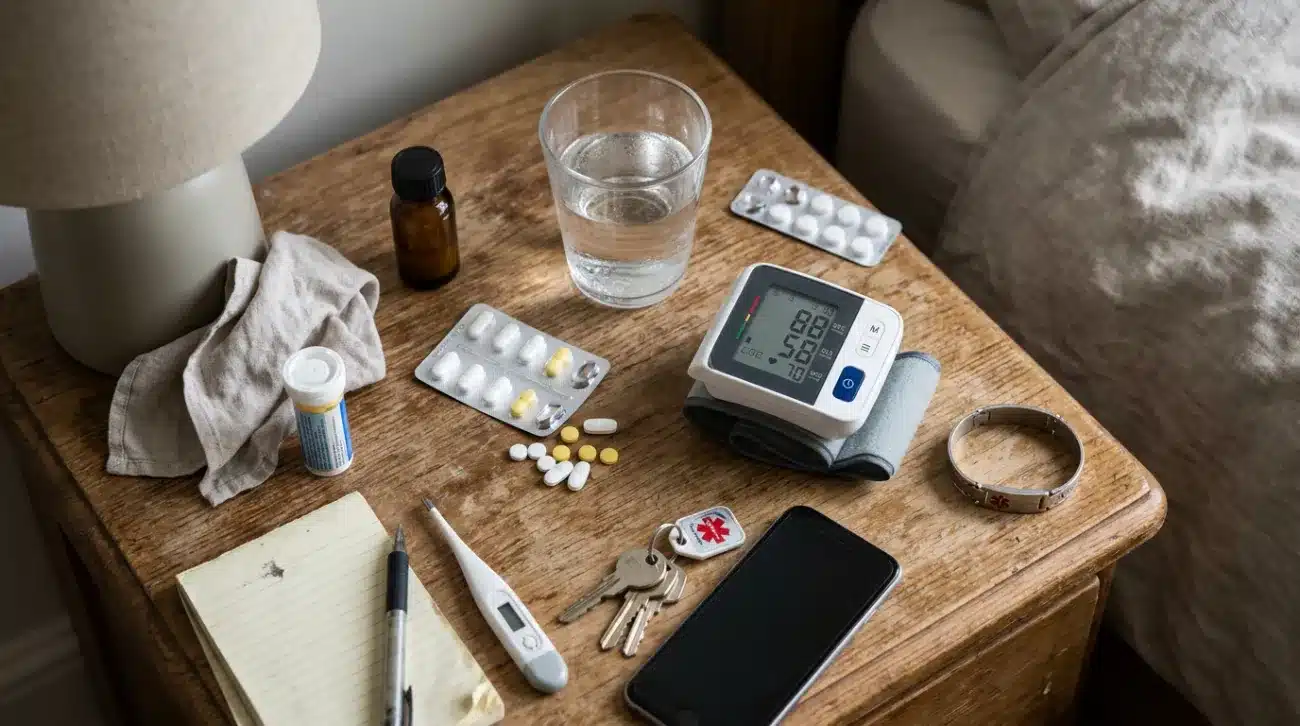
Dangerous blood pressure is not only a high-number problem. Low blood pressure, or hypotension, is commonly described by sources such as the Mayo Clinic as a reading below about 90/60, although what is normal varies from person to person, and many people with low readings feel perfectly well. It becomes a concern when it causes symptoms, because the brain and other organs may not receive enough blood. Commonly listed signs include dizziness or lightheadedness, fainting, blurred vision, nausea, fatigue, and difficulty concentrating.
A severe drop can lead to shock, a life-threatening condition in which organs are deprived of blood flow. Medical sources describe warning signs of shock as confusion, cold and clammy skin, a weak and rapid pulse, rapid shallow breathing, and pale or bluish skin. These signs call for emergency care. Low pressure can follow blood loss, serious infection, severe dehydration, allergic reactions, heart problems, and some medications, which is why the surrounding circumstances matter as much as the number itself.
Pregnancy and Blood Pressure Danger Signs
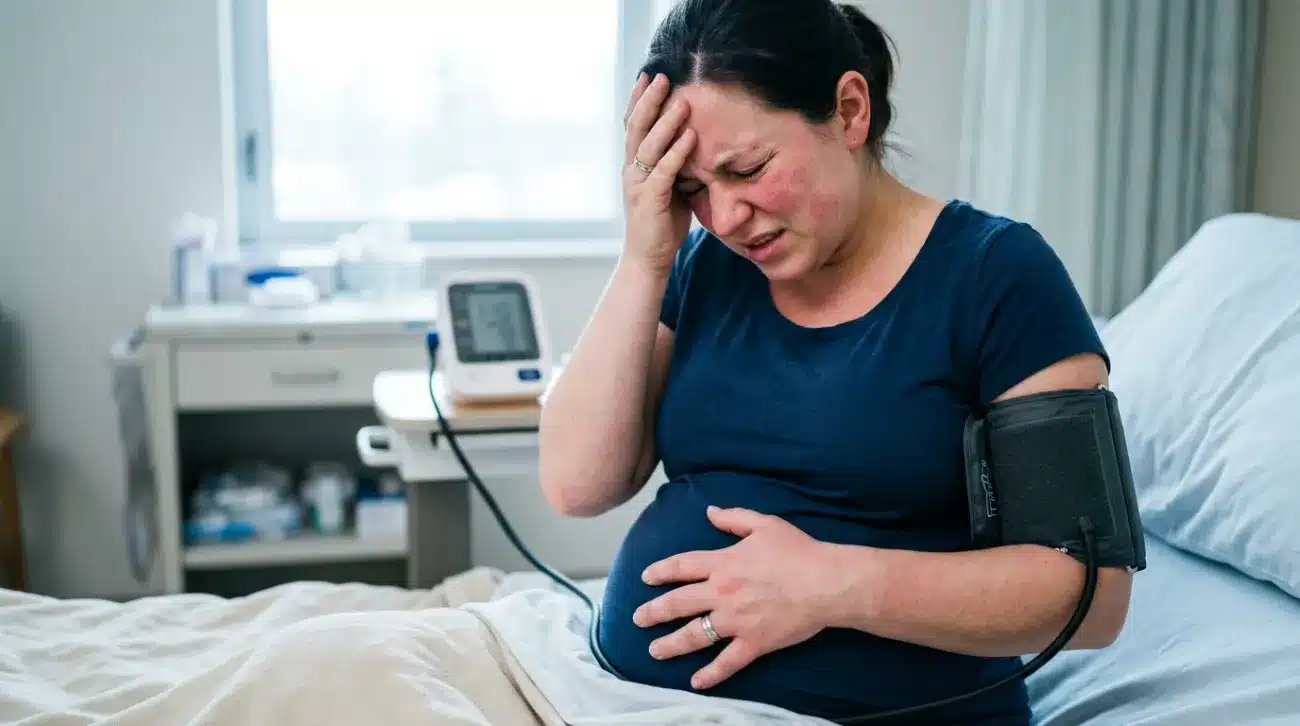
Pregnancy adds another context in which blood pressure warning symptoms deserve prompt attention. Preeclampsia is a pregnancy complication generally identified by high blood pressure that develops after about 20 weeks of pregnancy, often along with signs of organ involvement such as protein in the urine. Health organizations including the American College of Obstetricians and Gynecologists and the CDC list severe headache, vision changes, pain in the upper abdomen, and sudden swelling among the symptoms that should prompt a call to a health care provider. Because preeclampsia can also be present without obvious symptoms, routine blood pressure checks at prenatal visits are a central part of care.
Key takeaway
A reading above 180/120 combined with chest pain, breathlessness, vision changes, weakness, or trouble speaking is treated by the American Heart Association as a reason to call 911. This guide is informational and does not replace advice from a licensed medical professional.
Taking Dangerous Blood Pressure Seriously Before Symptoms Appear
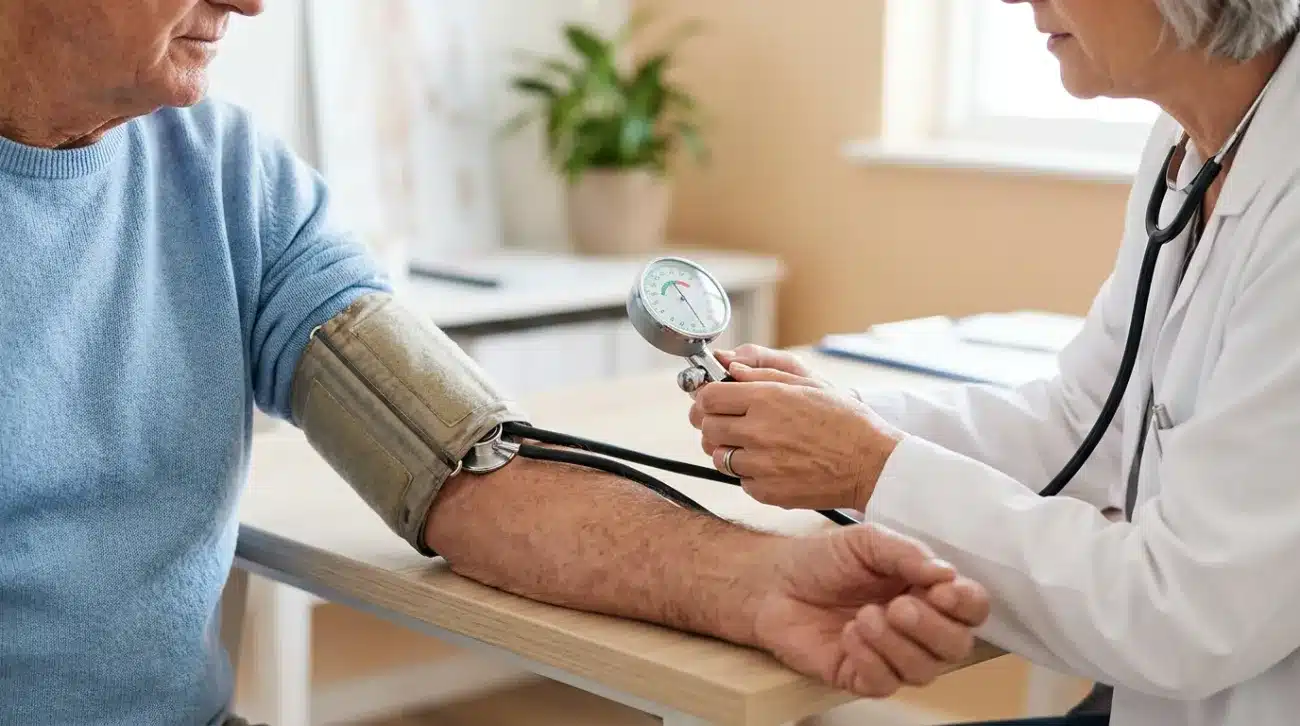
The warning symptoms of dangerous blood pressure are real and worth knowing, from the chest pain, vision changes, confusion, and weakness that can accompany a hypertensive crisis to the fainting and cold, clammy skin that can signal a dangerous drop. Yet the most important point from health agencies is that serious hypertension often gives no warning at all, so the absence of symptoms offers little reassurance. Regular measurements, careful technique, rechecking a startling number after rest, and a clear plan for when to call a doctor or emergency services are the practical tools that turn this knowledge into protection. Anyone with a persistently high or low reading, a history of heart or kidney disease, or a pregnancy should talk with a qualified health professional about what their own numbers mean and what targets suit them.


