

Emotional Intelligence (EI) is a pivotal element in shaping an individual’s success in both personal and professional realms. It encompasses the ability to recognize, understand, and manage one’s own emotions, as well as to influence those of others positively. Improving EI can lead to more meaningful relationships, enhanced decision-making capabilities, and increased leadership skills. Enhancing EI involves a multifaceted approach, focusing on self-awareness, self-regulation, empathy, and social skills. This article delves into practical strategies to cultivate each aspect of emotional intelligence, providing a roadmap for individuals seeking to elevate their emotional understanding.
Understanding the Components of Emotional Intelligence

Emotional Intelligence is the bedrock of interpersonal and intrapersonal understanding, comprising four core components: self-awareness, self-regulation, social awareness, and relationship management. Self-awareness invites an introspective look into one’s emotional state, facilitating a deeper understanding of personal emotions, triggers, and behaviors. Conversely, self-regulation involves the control and adjustment of emotions, enabling constructive handling of feelings. Social awareness extends the emotional insight outward, fostering empathy and recognition of the emotional cues in others. Finally, relationship management utilizes the insights from the other three components to navigate and enhance interactions with others. Grasping these pillars is the first step towards mastering one’s emotional intelligence and laying a foundation for personal growth and improved interpersonal relationships.
Enhancing Self-Awareness

The journey to heightened emotional intelligence begins with enhancing self-awareness. This process involves continually assessing one’s emotional state, identifying personal strengths and weaknesses, and recognizing the impact of emotions on thoughts and actions. Individuals can increase self-awareness through practices like journaling, which allows for reflection on daily experiences and emotional responses. Mindfulness meditation is another effective tool, encouraging present-moment awareness and helping individuals connect with their inner emotional landscape. By dedicating time to these practices, individuals cultivate a deeper understanding of themselves, paving the way for significant personal development and improved emotional intelligence.
Improving Self-Regulation

Mastering self-regulation is crucial for managing emotions in a healthy, constructive manner. It involves recognizing emotional responses and consciously choosing how to express these emotions. Techniques such as deep breathing, meditation, and pauses before reacting can aid in calming the mind and providing space to choose a more measured response. Additionally, setting clear, achievable goals for emotional development can guide individuals in practicing self-regulation in various situations. Through consistent practice, individuals can develop the ability to remain calm under pressure, make thoughtful decisions, and handle conflict with grace, significantly enhancing their emotional intelligence and interpersonal effectiveness.
Developing Social Awareness
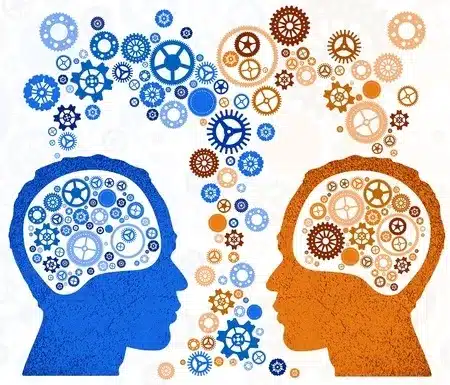
Developing social awareness means understanding the emotions and needs of others. It involves honing the ability to pick up on emotional cues, such as body language and tone of voice, to empathize with others’ perspectives and feelings. Active listening plays a vital role in social awareness, as it requires full attention to the speaker, fostering deeper understanding and connection. Individuals can build stronger, more empathetic relationships by practicing empathy and genuinely engaging with others’ emotional experiences. Cultivating social awareness improves personal relationships and enhances team dynamics and leadership capabilities, marking a key step in the journey toward emotional intelligence mastery.


