

Mastering Relationship Management

Managing and navigating relationships effectively is a hallmark of high emotional intelligence. This skill entails leveraging an understanding of one’s emotions and those of others to communicate effectively, resolve conflicts, and inspire teamwork. Effective communication strategies, such as assertiveness and active listening, ensure respectful and productive interactions. Additionally, conflict resolution skills that focus on finding common ground and collaborative solutions can transform potential tensions into opportunities for growth. By mastering these aspects of relationship management, individuals can foster a positive, supportive environment that encourages mutual respect and understanding.
Utilizing Feedback for Growth
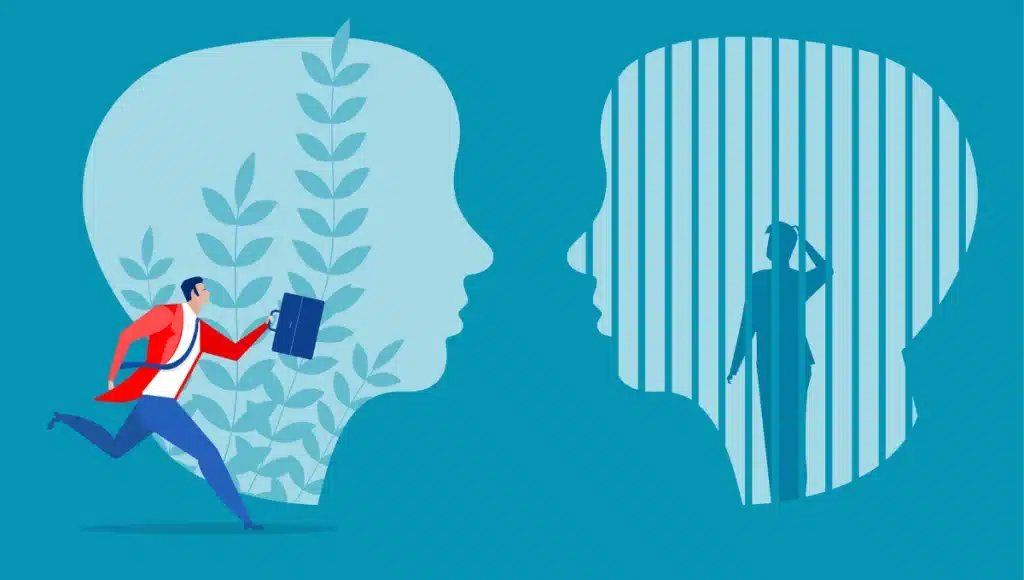
Feedback is a powerful tool for emotional and personal growth. It provides insight into how others perceive one’s behavior, offering a unique perspective that can highlight areas for improvement. Embracing constructive feedback with an open mind and a willingness to grow can lead to significant advancements in emotional intelligence. It’s essential to seek feedback from trusted colleagues, friends, or mentors who can provide honest and helpful insights. Reflecting on this feedback and taking actionable steps to address any areas of concern can accelerate personal development and enhance emotional intelligence.
The Role of Continuous Learning in EI Development

Emotional intelligence development is a continuous journey that benefits greatly from ongoing learning and self-improvement. Engaging in workshops, reading relevant literature, and participating in training sessions can provide new insights and strategies for enhancing EI. Additionally, observing and learning from individuals who demonstrate high levels of emotional intelligence can be a powerful form of inspiration and guidance. By incorporating lessons learned into daily life, individuals can practice and refine their emotional intelligence skills in real-world situations. This commitment to continuous learning not only enriches one’s understanding of emotional intelligence but also fosters a mindset of growth and adaptability, essential qualities for personal and professional development.
Overcoming Challenges in Improving Emotional Intelligence

Improving emotional intelligence is not without its challenges. Individuals may face obstacles such as ingrained habits, resistance to change, or difficulty accurately perceiving emotions in themselves and others. Overcoming these challenges requires persistence, self-compassion, and a willingness to step out of one’s comfort zone. Setting realistic goals and celebrating small victories can motivate individuals to pursue higher emotional intelligence. Additionally, seeking support from peers or professionals can provide encouragement and accountability. By acknowledging and addressing these challenges head-on, individuals can navigate the path to improved emotional intelligence with resilience and determination.
Integrating Emotional Intelligence into Daily Life

Individuals must integrate these skills into their daily lives to truly benefit from improved emotional intelligence. This means applying emotional awareness, regulation, and empathy in all interactions, whether at home, work or in social settings. Practicing daily emotional intelligence can help solidify these skills, making them more automatic and intuitive. Additionally, setting aside time for reflection on emotional experiences and reactions can provide valuable insights and opportunities for growth. By making emotional intelligence a consistent practice, individuals can enhance their relationships, improve their well-being, and achieve greater success in all areas of life.
Embracing the Journey Towards Enhanced Emotional Intelligence
In conclusion, improving emotional intelligence is a transformative journey that enhances personal and professional relationships, fosters effective communication, and promotes well-being. The strategies outlined in this article, from understanding the core components of emotional intelligence to integrating these skills into daily life, provide a comprehensive roadmap for anyone seeking to enhance their emotional understanding. It’s a path marked by continuous learning, self-reflection, and the application of practical skills in real-world scenarios.


