Contents
Acorns: The Micro-Investor’s Gateway

Acorns introduces users to the investing world through a simple, intuitive platform that automates investment in diversified portfolios. By rounding up purchases to the nearest dollar and investing the difference, Acorns makes it effortless for users to begin investing without allocating large sums of money upfront. The app also offers recurring investment options and educational content to enhance financial literacy among its users.
Despite its simplicity and low barrier to entry, Acorns charges a monthly fee, which, although minimal, might not be justified for those with very small balances. However, for individuals new to investing or looking to build their investment habit gradually, Acorns provides a user-friendly platform that demystifies the investment process, making it accessible and engaging for a novice investor audience.
Stash: Personalized Investment Approach
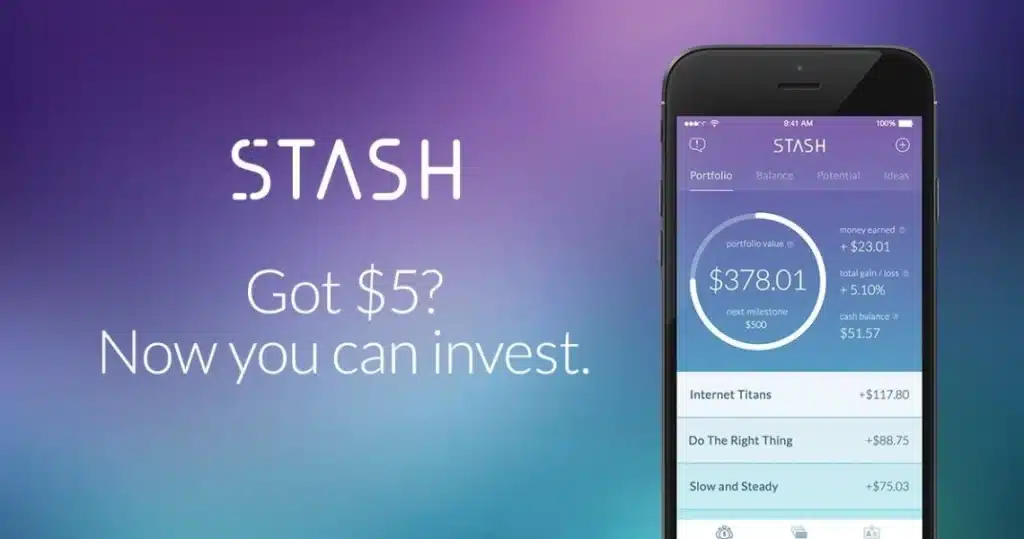
Stash offers a unique blend of investment advice tailored to individual preferences and financial goals, making it stand out among personal finance apps. Users are guided through selecting investments that align with their risk tolerance and financial aspirations, with the option to invest in fractional shares of stocks and ETFs. This allows for a highly customized investment experience, even with limited Capital. Stash also integrates budgeting and banking services, providing a comprehensive financial management platform.
The app’s strength in educating users about investing, combined with its low entry point, makes it especially appealing to those new to the market. However, even though it grants access to a broad range of services, the monthly fee may not appeal to all users. Stash’s commitment to making investing approachable and personalized positions it as a valuable tool for anyone looking to start their investment journey with guidance and support.
PocketGuard: The Spending Tracker

PocketGuard simplifies finance management by helping users keep track of their spending, bills, and savings goals in one place. Its “In My Pocket” feature shows how much money is available for spending after accounting for bills, savings, and essentials. This app is particularly useful for those looking to get a handle on their day-to-day expenses and identify areas where they can cut back to save money.
While PocketGuard’s focus on preventing overspending is commendable, some users may find its features less comprehensive than those of other finance apps. Nevertheless, its capability to negotiate bills on your behalf and find savings opportunities makes it a valuable ally in managing personal finances. For individuals striving for a simple yet effective way to track and control their spending, PocketGuard offers a streamlined solution.
Robinhood: The Trader’s Platform

Robinhood revolutionized the investment world by offering commission-free trades, making stock market investing more accessible to the general public. Its user-friendly interface and the absence of trading fees have attracted a younger demographic eager to explore stock, ETF, and cryptocurrency trading. The app’s instant deposit feature enhances the trading experience by allowing users to quickly fund their accounts and take advantage of market opportunities.
However, Robinhood has faced criticism for handling market volatility and the gamification of trading, which raises concerns about the risks inexperienced investors might encounter. Despite these issues, Robinhood remains a popular choice for those looking to dive into trading without the burden of fees, offering an entry point into the financial markets that are hard to match regarding accessibility and ease of use.
The Bottom Line
In an age where personal finance management is increasingly important, the right app can be a powerful tool in achieving financial stability and growth. This article has explored a variety of apps designed to meet different needs, from budgeting and saving to investing and spending tracking. The key to maximizing these tools lies in understanding one’s financial goals and selecting an app that aligns with those objectives. As technology continues to evolve, so will the opportunities for individuals to manage their finances more effectively. By embracing these digital solutions, users can take control of their financial future, making informed decisions that lead to a more secure and prosperous life. Encouraging readers to explore these options, this article underscores the empowerment of informed financial management, inviting everyone to take the first step towards a healthier financial future.


