Skip to content

Mastering Body Language For Better Communication

Body language, often overlooked, is a pivotal form of communication that speaks volumes about your thoughts, attitudes, and emotions. This non-verbal form of communication can significantly enhance or hinder effective interaction. This post will help guide you through mastering body language, its interpretation, and ways to improve it for better communication in various aspects of life.

The Basics Of Body Language

Mastering Body Language

Body language, in essence, is the non-verbal communication people engage in through their body movements and positions. It’s not just about what you say but how you say it – your body postures, facial expressions, eye contact, and even your proximity to the person you’re communicating with. This subconscious language can project confidence, express emotions, indicate interest, and even reveal your true thoughts.

The significance of body language expands across various situations, whether professional, personal, or social. In a job interview, a firm handshake and upright posture can project confidence. In personal relationships, maintaining eye contact and active listening reflects genuine interest. Even the distance you maintain from another person can indicate your comfort level or relationship with them.

The Different Components Of Body Language
Mastering Body Language

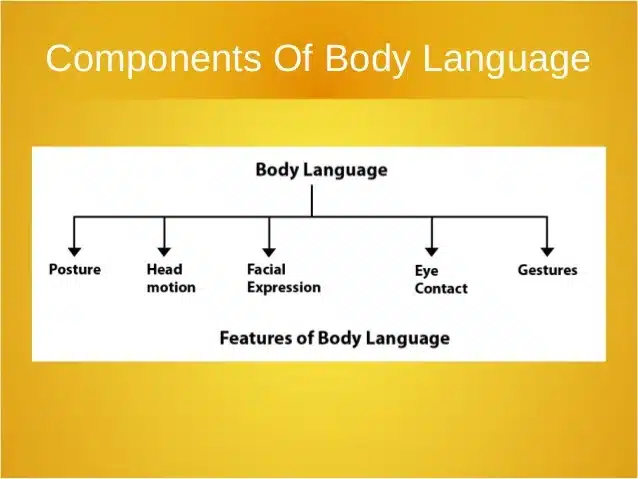
There are several key components that makeup body language, including facial expressions, eye contact, posture, gestures, and proximity. Each of these components can send strong signals about what you’re thinking and feeling. For example, a simple smile can indicate happiness, satisfaction, or approval, while a furrowed brow may signal concentration, concern, or confusion.

Eye contact, gestures, and your physical proximity to others also play an integral role in communication. While maintaining eye contact might convey trustworthiness or attention, excessive or inadequate eye contact might signal dishonesty or discomfort. Gestures can replace or reinforce words, and the space you maintain from others can reflect your level of familiarity or comfort.

How To Start Reading Body Language

Mastering Body Language

Interpreting body language is a complex task, primarily because it’s often subconscious and can be easily misinterpreted. For instance, while crossed arms might suggest defensiveness or closed-mindedness, they might also simply indicate comfort or habit. Understanding the context and considering clusters of body language signals can help you interpret accurately.

Common misconceptions about body language can often lead to incorrect assumptions. For instance, not all people who avoid eye contact are dishonest, and not everyone who sweats is nervous. Some people might simply have different comfort levels with eye contact, and others might sweat due to a medical condition. It’s crucial to avoid snap judgments and consider multiple signals and the context before drawing conclusions.

Facial Expressions And Eye Contact

Mastering Body Language

Facial expressions and eye contact are crucial aspects of body language, as they often express your emotions more accurately than words. Your face can quickly convey a range of emotions – happiness, sadness, anger, surprise, fear, and disgust. A warm smile can show approval, a frown can denote disapproval, and raised eyebrows might indicate surprise or skepticism.

Eye contact, on the other hand, can indicate attention, interest, and sincerity. Maintaining appropriate eye contact while conversing signals that you are engaged and respect the other person. However, it’s essential to strike a balance. Excessive eye contact can be perceived as intimidating, while too little can signal disinterest or insecurity.

Posture And Movement

Mastering Body Language

Your posture and movement often reveal your attitudes and feelings. A person standing tall with shoulders back and head held high exudes confidence and self-assuredness, whereas slouching can indicate insecurity or a lack of interest. Similarly, leaning in during a conversation suggests interest, while leaning away might show discomfort or disinterest.

Your movement also plays a significant role in how you are perceived. Smooth, controlled movements can convey confidence and calm, while fidgeting, tapping, or erratic movements can signal nervousness, impatience, or restlessness. Being aware of your posture and movement can significantly impact the effectiveness of your communication.

Gesture And Proximity

Mastering Body Language

Gestures can supplement or even replace verbal communication. They are practical tools to emphasize points, indicate attitudes, and express emotions. For example, a thumbs-up generally means approval, a shrug may denote uncertainty, and pointing can be seen as aggressive.

The physical distance or proximity you maintain during interactions also communicates messages. Close proximity often suggests intimacy, familiarity, or comfort, while more significant distance might indicate formality, discomfort, or lack of interest. Cultural norms greatly influence these parameters, and what is considered appropriate can vary widely.

Improving Your Body Language

Mastering Body Language

Improving your body language starts with self-awareness. Pay attention to your posture, facial expressions, gestures, and movements in various situations. Notice what they convey, and make a conscious effort to align them with your verbal messages for more effective communication.

There are also practical exercises to enhance your body language skills. For instance, practicing good posture in front of a mirror, recording yourself speaking to observe your facial expressions and gestures, or role-playing different scenarios can be beneficial. Remember, improvement takes time and practice, so don’t be too hard on yourself if you don’t see immediate changes.

Body Language Across Cultures

Mastering Body Language

Body language is not universal and varies significantly across different cultures. What is considered polite or appropriate in one culture might be seen as disrespectful or confusing in another. For example, in some cultures, maintaining direct eye contact is a sign of respect, while in others, it could be perceived as rude or aggressive. Understanding these differences is vital, especially in today’s globalized world.

Being culturally sensitive when interpreting body language is also just as important. Before jumping to conclusions based on your own cultural understanding, consider the other person’s cultural background. By doing so, you can avoid misunderstandings and communicate more effectively with people from diverse cultures.

Body Language In The Digital Age

Mastering Body Language

In the era of video conferencing and digital communication, body language has taken on new dimensions. While some aspects, like proximity, are less relevant in the digital context, others, like facial expressions, eye contact, and gestures, are more critical than ever. For example, maintaining eye contact by looking into the camera can show engagement and attentiveness during a video call.

Adapting your body language for digital platforms can enhance your online communication. Pay attention to your posture and expressions, ensure your gestures are visible within the frame, and practice speaking clearly and at a reasonable pace. Remember, your body language still matters even though you’re behind a screen.

You’re Ready To Start Mastering Body Language!

Mastering body language is a continuous learning process that can significantly enhance your communication skills. As you’ve learned, it’s not only about interpreting the non-verbal cues of others but also about being mindful of your own. From understanding the basic elements of body language to acknowledging cultural differences and adapting to digital communication, every step you take in this journey can open doors to more meaningful and effective interactions. Embrace the power of body language and let your actions speak louder than your words!