Rejection, a universal experience, can be particularly daunting within relationships. This fear, rooted deeply in our desire for acceptance, can significantly impact our emotional well-being and approach to connections. Understanding and addressing this fear is crucial for the health of our relationships and our personal growth and happiness. This article explores strategies for dealing with the fear of rejection, offering insights and methods to help individuals navigate these emotional challenges, ultimately fostering healthier and more fulfilling relationships.
Contents
Understanding the Fear of Rejection

The fear of rejection in relationships is a multifaceted emotion, often stemming from deep-seated insecurities and past experiences. It’s a natural response to potential loss and disappointment, deeply ingrained in our psychological makeup. This fear can manifest in various forms, from hesitancy in approaching new relationships to sabotaging existing ones. It’s crucial to recognize that this fear is a common human experience shaped by evolutionary and social factors. Understanding its roots can be the first step toward addressing it.
The psychological impact of this fear can be profound. It affects how individuals perceive themselves and how they interact with others. People who fear rejection may exhibit various behaviors, such as excessive people-pleasing, avoidance of emotional intimacy, or hypersensitivity to criticism. Recognizing these patterns is essential in understanding one’s relationship with the fear of rejection, laying the groundwork for overcoming it.
Recognizing Signs of Fear in Yourself

Identifying personal signs of fear of rejection requires a deep level of self-awareness. Individuals might notice certain behaviors surfacing in their relationships, such as a tendency to avoid confrontation or a pattern of ending relationships prematurely to avoid potential rejection. These behaviors are often subconscious defense mechanisms designed to protect oneself from perceived emotional harm.
Self-awareness also involves acknowledging how past experiences shape current fears. Previous instances of rejection, whether in romantic relationships, friendships, or even familial bonds, can leave lasting impressions. These experiences contribute to developing a fear of rejection, influencing how one approaches future relationships. Recognizing and accepting these influences is a significant step towards addressing the fear.
Communication: Key to Overcoming Fear
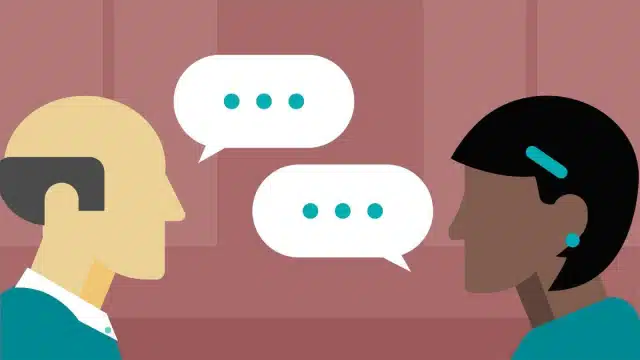
Effective communication is a cornerstone in overcoming the fear of rejection. It involves not just talking but also listening and understanding. Openly discussing fears and insecurities with partners can alleviate misunderstandings and build trust. It’s about creating a safe space where vulnerabilities can be shared without the fear of judgment.
This process requires honesty and courage. It’s about expressing oneself authentically and inviting partners to do the same. Techniques such as active listening, empathy, and non-violent communication can greatly enhance the quality of these conversations. Through effective communication, individuals can work through their fears together, strengthening the relationship.
Building Self-Confidence

Building self-confidence is integral in combating the fear of rejection. Confidence stems from self-love and acceptance, recognizing one’s worth irrespective of others’ approval. It involves cultivating a positive self-image and focusing on personal strengths and achievements. Engaging in activities that boost self-esteem, such as hobbies, exercise, or professional accomplishments, can reinforce a positive self-perception.
Self-confidence also grows from challenging negative self-talk and replacing it with affirmations and positive thinking. This mental shift can significantly alter how one perceives and reacts to potential rejection. By building a strong sense of self, individuals can approach relationships with a healthier mindset, where rejection, if it occurs, is not a reflection of their self-worth.


