
Acrophobia, commonly known as the fear of heights, is a condition that can significantly impact an individual’s life, limiting their experiences and often causing considerable anxiety. This article is dedicated to understanding and overcoming acrophobia. It outlines practical steps that individuals can take to confront and manage their fear effectively. From acknowledging the fear to gradually exposing oneself to heights, the journey toward overcoming acrophobia can lead to newfound freedom and confidence. The following sections delve into various strategies, offering a comprehensive guide to those seeking to conquer their fear of heights.
Understanding Acrophobia
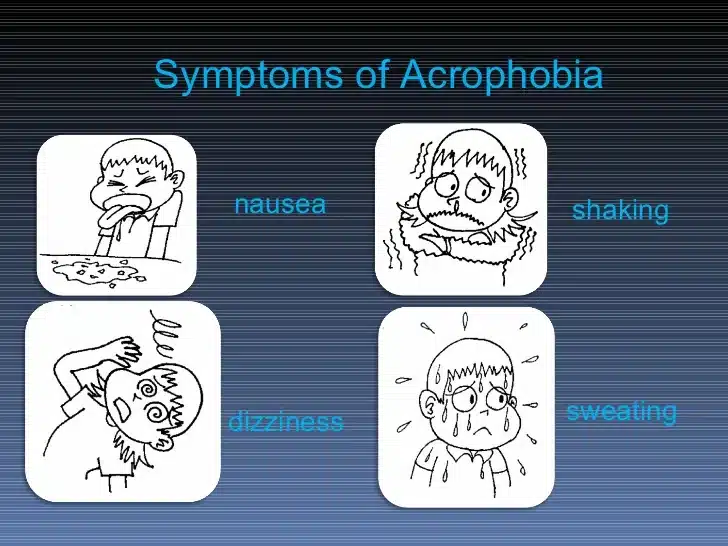
Acrophobia is more than just a simple fear; it is an intense, often debilitating phobia that can cause significant distress. It is characterized by symptoms like dizziness, sweating, nausea, and a feeling of panic when faced with heights. This fear can be triggered by various situations, from standing on a high balcony to climbing a ladder. Understanding acrophobia requires a look into its psychological aspects. Often, this fear is rooted in a person’s past experiences or an innate sense of vulnerability when high above the ground. By comprehending the underlying causes and recognizing its manifestations, one can begin the journey towards overcoming this phobia.
Acknowledging and Accepting Your Fear

The first crucial step in overcoming acrophobia is acknowledging its presence. Many people try to ignore or suppress their fear, but this only intensifies it. It’s essential to confront the fear head-on, accepting that it is a real and valid response. This acknowledgment is not a sign of weakness but rather a brave recognition of reality. Following this, self-reflection plays a vital role. Individuals should explore their feelings towards heights, recalling past experiences and identifying specific triggers. By accepting and understanding their fear, they set a solid foundation for the gradual process of overcoming it.
Gradual Exposure to Heights

One of the most effective methods for overcoming acrophobia is through gradual exposure. This technique involves slowly and repeatedly exposing oneself to heights, starting with less intimidating situations and progressively moving to more challenging ones. For instance, one might start by standing on a low stool, then gradually work up to standing on a balcony or a higher platform. The key is to proceed at a comfortable pace, ensuring that the individual feels a sense of control at each step. This method helps in desensitizing the fear response and builds confidence, as each successful exposure reduces the power of the phobia over time.
Cognitive Behavioral Therapy (CBT)

Cognitive Behavioral Therapy (CBT) is a highly effective psychological treatment for acrophobia. It focuses on changing the negative thoughts and beliefs that contribute to the fear of heights. CBT helps individuals identify irrational thoughts and replace them with more realistic, positive ways of thinking. For example, a thought like “I will fall if I go near that balcony” can be transformed into “Balconies are designed to be safe, and I am capable of standing on one without falling.” This shift in perspective can significantly reduce the fear response and anxiety associated with heights.
Incorporating CBT into the treatment of acrophobia often involves working with a trained therapist. These professionals can provide tailored strategies and support to address the specific fears and challenges of the individual. They use various techniques, such as challenging irrational thoughts, practicing relaxation methods, and gradually exposing the person to heights in a controlled environment. Finding a qualified CBT therapist can be done through recommendations from healthcare providers, online directories, or mental health organizations. Committing to regular sessions and actively engaging in the process is key to harnessing the full benefits of CBT in overcoming acrophobia.
Relaxation and Breathing Techniques

Relaxation and breathing techniques play a crucial role in managing the anxiety and panic that often accompany acrophobia. When facing heights, it’s common for individuals to experience physical symptoms like rapid heartbeat, shortness of breath, and muscle tension. Learning and practicing relaxation techniques can help mitigate these responses. Techniques such as deep breathing, progressive muscle relaxation, and guided imagery can create a sense of calm and control, reducing the intensity of fear and anxiety in high places.
Breathing exercises are particularly effective in managing acute symptoms of anxiety. By focusing on slow, deep breaths, individuals can activate their body’s natural relaxation response, counteracting the stress response triggered by fear of heights. Guided meditation apps or classes can also be beneficial in teaching and practicing these techniques. Consistent practice of relaxation methods not only helps in acute situations but also contributes to a general sense of well-being and anxiety management, which is crucial for those dealing with acrophobia.


